How Much Cash Can I Take Out by Refinancing My House?
Roughly: the bank's valuation of your house × the margin it allows, minus what you still owe, minus refinancing costs. Many banks allow up to about 80% to 90% of the valuation for a residential refinance, but your income must also support the new, larger instalment. For a house valued at RM500,000 with RM250,000 left to pay, that could mean up to about RM200,000 before costs.

STS Wealth Care team
Last updated 3 min read
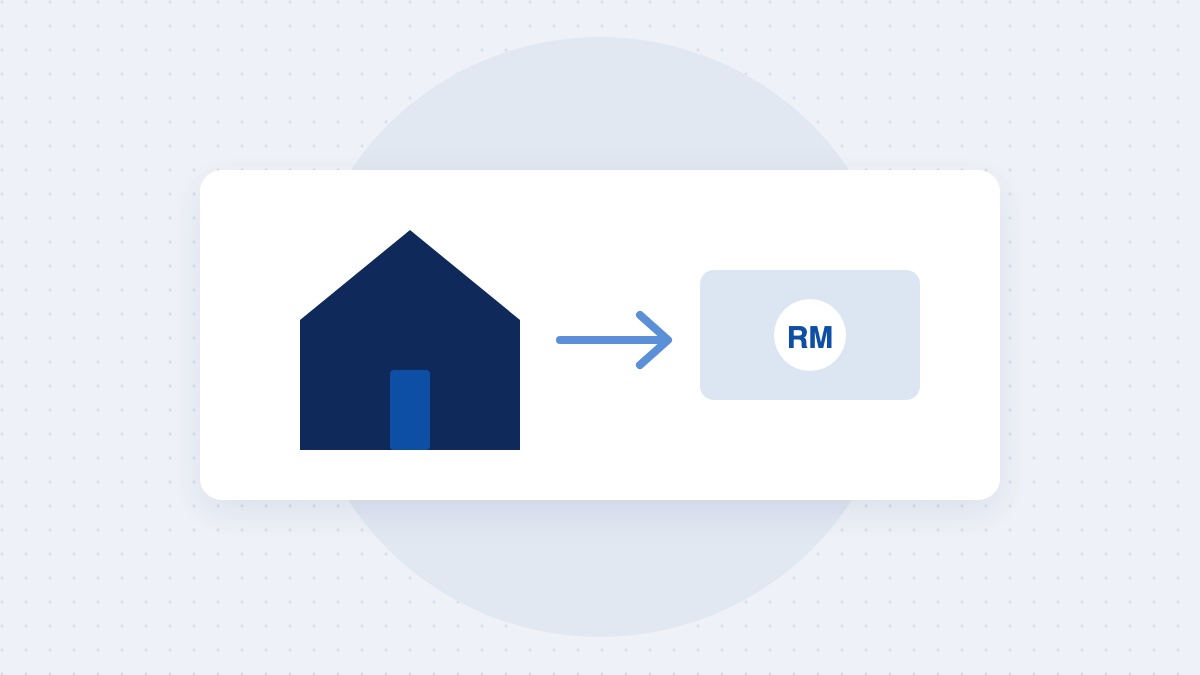
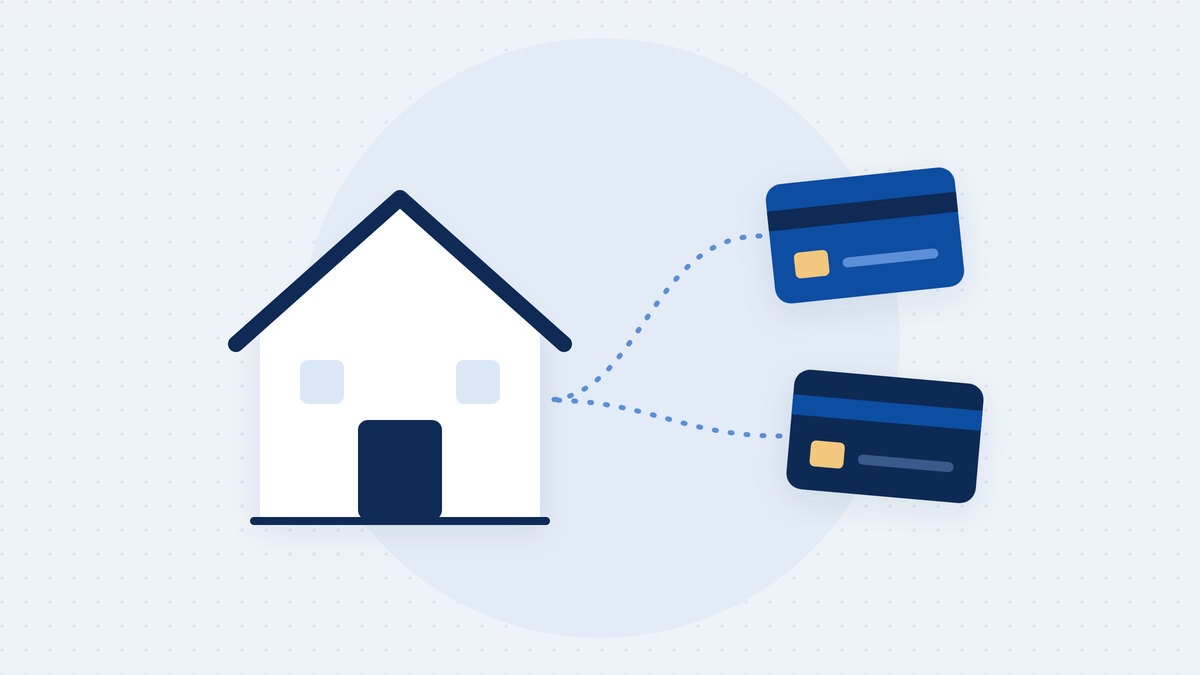
Cash-out refinancing means replacing your current home loan with a bigger one and taking the difference as cash. It's often used to pay off expensive debts, fund a business, or renovate.
The basic formula
Cash out ≈ (bank valuation × margin) − outstanding loan − costs
- Bank valuation: a panel valuer appointed by the bank values your property. It may be lower than what you think it's worth.
- Margin: for a residential refinance, many banks go up to about 80%–90% of the valuation. For a third housing loan onwards, Bank Negara Malaysia's rules cap the margin at 70%.
- Outstanding loan: what you still owe the current bank, from your latest loan statement or redemption letter.
A worked example
- Bank valuation: RM500,000
- Margin 90%: new loan up to RM450,000
- Still owe: RM250,000
- Cash out before costs: up to about RM200,000
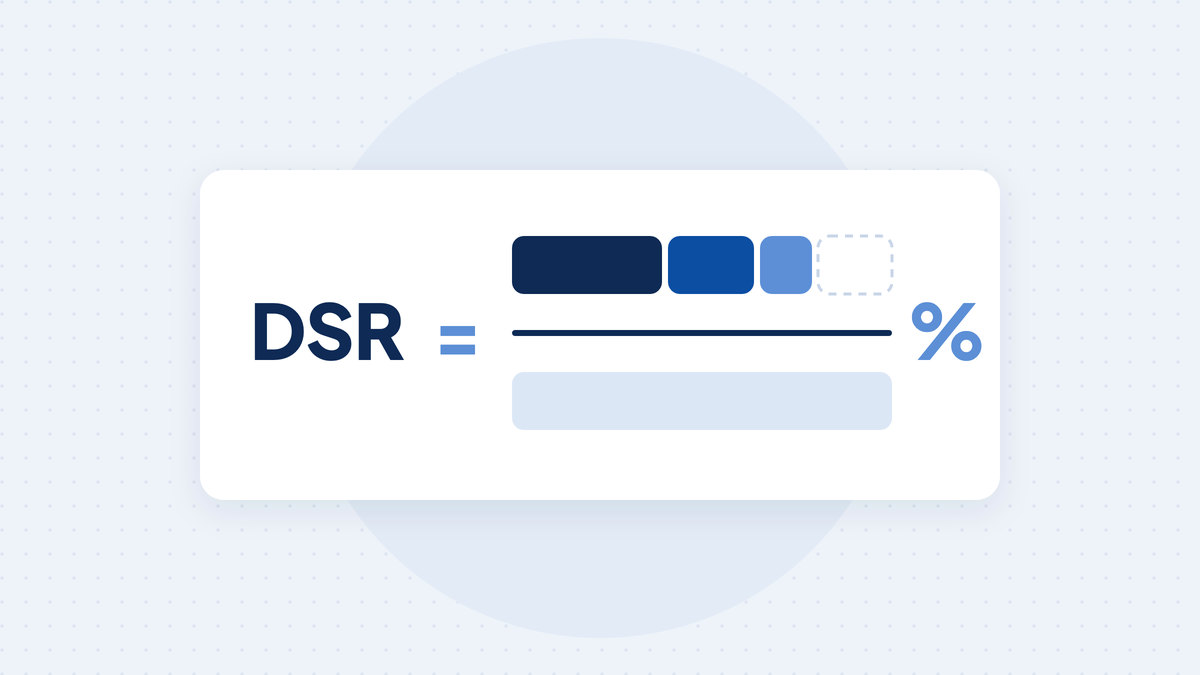
The new RM450,000 loan over 30 years at about 4% means an instalment of roughly RM2,150 a month. The bank will only approve it if your DSR can carry that instalment plus your other debts. Read What is DSR?.
Costs to budget for
- Legal fees for the new loan documents
- Stamp duty of 0.5% on the new loan agreement
- Valuation fee
- Early settlement penalty if your current loan is still in its lock-in period
- Insurance such as MRTA or MLTA, if you choose it
Some of these can be financed into the new loan, but that also increases what you owe.
What can reduce the amount
- A lower valuation than expected
- Your income and DSR: the bank approves the lower of what the property supports and what your income supports
- Bank policy on cash-out: some banks limit the tenure or the purpose of the cash portion, especially if the property is still under a loan
- Your CCRIS record: late payments or many recent applications make banks more careful
- Age: many banks want the loan to end by around age 70, which can shorten the tenure and raise the instalment
Is it a good idea?
It can be, if the cash replaces debts with much higher interest, such as credit cards. But you are turning short-term debt into a 30-year loan secured on your home. See Refinancing your house to pay off credit card debt: pros and risks.
STS Wealth Care is a loan advisory consultant, not a bank or lender. We estimate your likely cash-out with you, compare banks' margins and costs, and check whether your income supports the new instalment. We don't charge an upfront fee, and approval is always the bank's decision.
Quick questions
- Can I refinance if my house is fully paid?
- Yes. Many banks offer financing on an unencumbered property, but some limit the tenure or purpose of the cash. Compare banks before applying.
- How long does a refinance take?
- Often a few months from application to the cash being released, because it involves valuation, approval, legal documents, redemption of the old loan and title work.
- Can I refinance during the lock-in period?
- Yes, but you will usually pay an early settlement penalty to the current bank. Check your loan agreement for the amount and the lock-in end date.
Want us to look at your situation?
Send us a WhatsApp message. We reply within 24 hours, Monday to Friday, 10:00am to 5:00pm. No upfront fee, and asking doesn't mean you have to apply.
Free download
10-point pre-application checklist
Check these 10 things before you apply for any loan. Leave your name and number and the PDF is yours right away.
- Check your eCCRIS and CTOS yourself first
- Work out a rough DSR
- Spot upfront-fee scams
This article is general information, not financial or legal advice. STS Wealth Care is a loan advisory consultant, not a bank, lender or licensed financial advisor. Approval, rates and amounts are always decided by the bank or financial institution.