How Much Personal Loan Can I Get With an RM3,000 or RM5,000 Salary?
For a private-sector employee with no other debts, banks that publish their limits usually allow about 5 to 8 times your gross monthly salary. That is roughly RM15,000 to RM24,000 on an RM3,000 salary, and RM25,000 to RM40,000 on RM5,000. Existing loans and card balances reduce this, and civil servants paying by salary deduction can often get more.

STS Wealth Care team
Last updated 3 min read
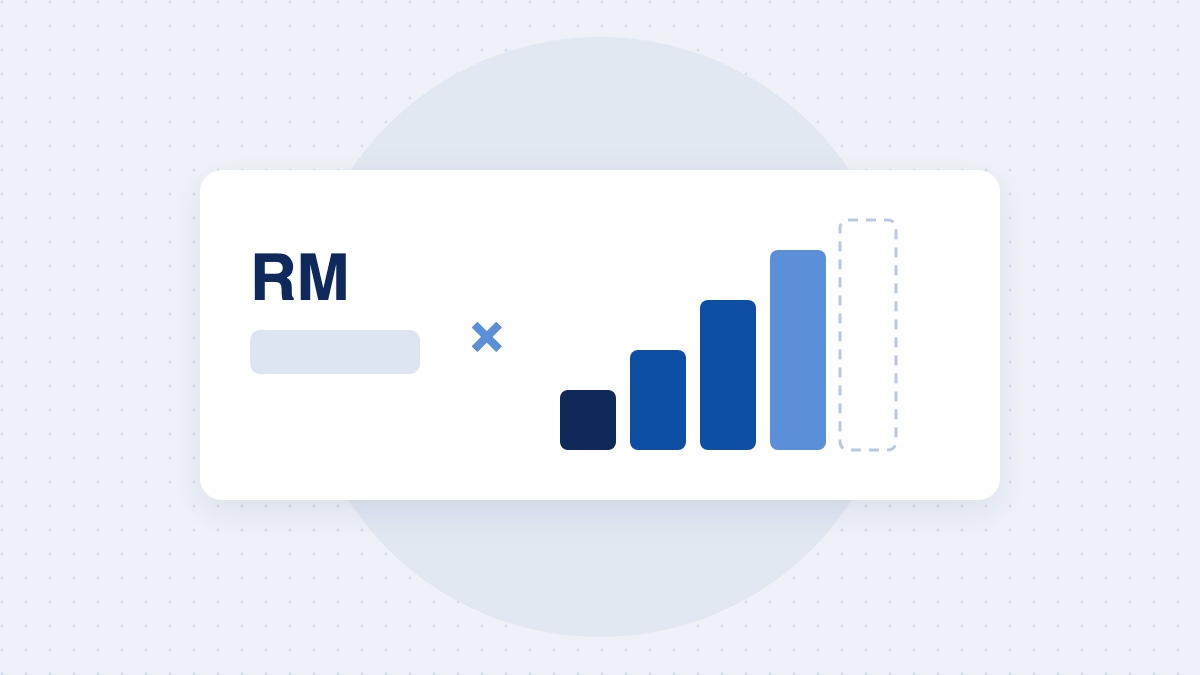
Banks look at two limits and give you the lower of the two.
Limit 1: a multiple of your salary
Many banks cap personal financing at a number of times your gross monthly salary. From the banks that publish it (October 2026):
| Bank (private sector) | Salary RM3,000–5,000 | Salary above RM5,000 |
|---|---|---|
| BSN | 5× | 7× (to RM10,000), 10× above |
| Co-opbank Pertama | 8× | 10× (to RM10,000), 15× above |
| Bank Rakyat (paying by transfer) | 5× | higher tiers |
Civil servants and some GLC staff who repay through salary deduction (Angkasa) get higher multiples. Bank Rakyat, for example, publishes 10–15× for RM2,000–5,000 salaries.
Most other banks don't publish a multiple and decide case by case, often with a maximum loan amount of RM100,000 to RM150,000.
Limit 2: your DSR
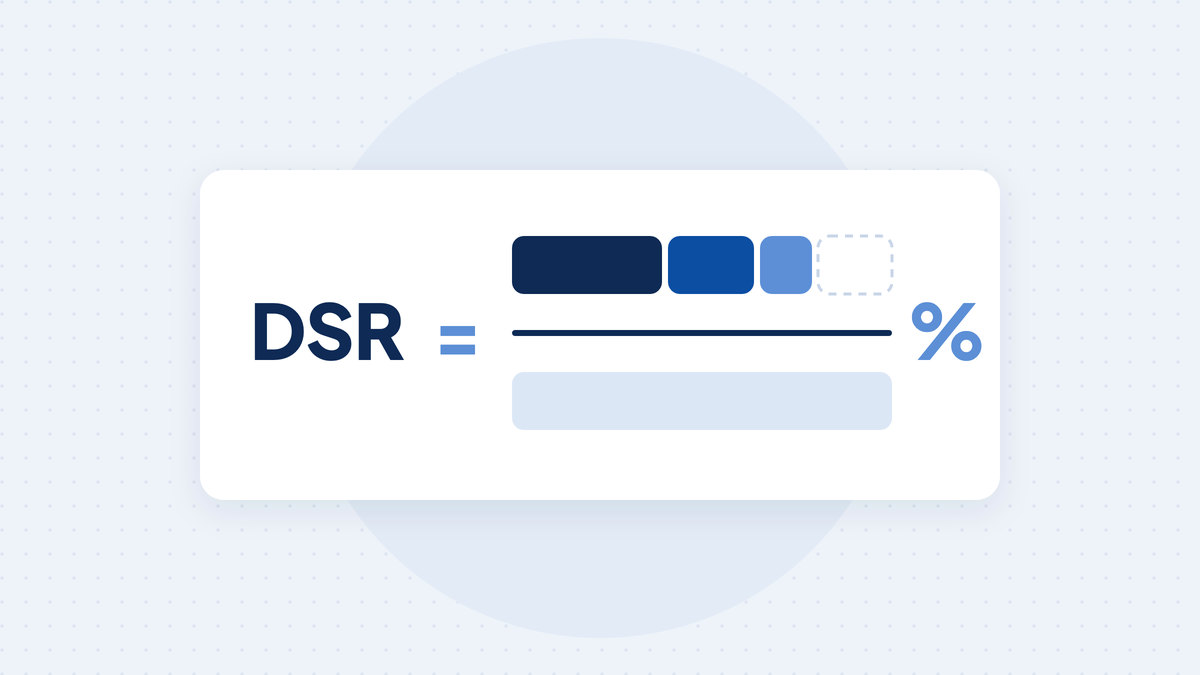
Your debt service ratio (DSR) is how much of your income goes to monthly debt payments, including the new loan. At an RM3,000 salary, many banks accept a DSR of around 50% to 70% for personal financing, and some don't accept that income level at all. Read more in What is DSR, and how much do banks accept?.
With no other debts, DSR usually isn't the problem; the salary multiple is. But if you already pay a car loan, PTPTN, or credit cards (banks count about 5% of your card balance each month), DSR can cut the amount sharply.
A quick example
- Salary RM3,000, no other debts, private sector: about RM15,000–RM24,000, depending on the bank.
- Same salary, but already paying RM900 a month for a car and cards: the bank may offer much less, or decline, because the new instalment pushes DSR over its limit.
- Salary RM5,000, no other debts: about RM25,000–RM40,000.
What else lowers the amount
- Minimum income. Many banks need at least RM3,000; some need RM4,000 or RM5,000, and business owners or commission earners often need RM5,000.
- Variable income. Overtime and commission are often counted at only about half.
- Your CCRIS record. Late payments, SAA or too many recent applications make banks offer less or say no.
- Length of employment. Most banks want at least 6 months in your current job.
Before you apply
Work out your DSR first, then apply to one or two banks that suit your income level instead of every bank at once. STS Wealth Care is a loan advisory consultant, not a bank or lender. We check your payslips and CCRIS with you and suggest which banks may fit. We don't charge an upfront fee, and approval is always the bank's decision.
Quick questions
- Do banks use my gross or net salary?
- The salary multiple usually uses your gross (before deductions) fixed salary. DSR is often worked out on income after statutory deductions such as EPF and SOCSO, so the same salary can look smaller in the DSR check.
- Can I get a personal loan with an RM2,500 salary?
- A few banks accept RM2,000 (often for civil servants), but many need RM3,000 or more. The amount will also be small, usually a few times your salary.
- Why did the bank offer less than I asked for?
- Usually because of your existing commitments (DSR), the bank's own salary multiple, or how it counts commission and allowances. Ask the bank which limit applied.
Want us to look at your situation?
Send us a WhatsApp message. We reply within 24 hours, Monday to Friday, 10:00am to 5:00pm. No upfront fee, and asking doesn't mean you have to apply.
Free download
10-point pre-application checklist
Check these 10 things before you apply for any loan. Leave your name and number and the PDF is yours right away.
- Check your eCCRIS and CTOS yourself first
- Work out a rough DSR
- Spot upfront-fee scams
This article is general information, not financial or legal advice. STS Wealth Care is a loan advisory consultant, not a bank, lender or licensed financial advisor. Approval, rates and amounts are always decided by the bank or financial institution.